Acer rubrum
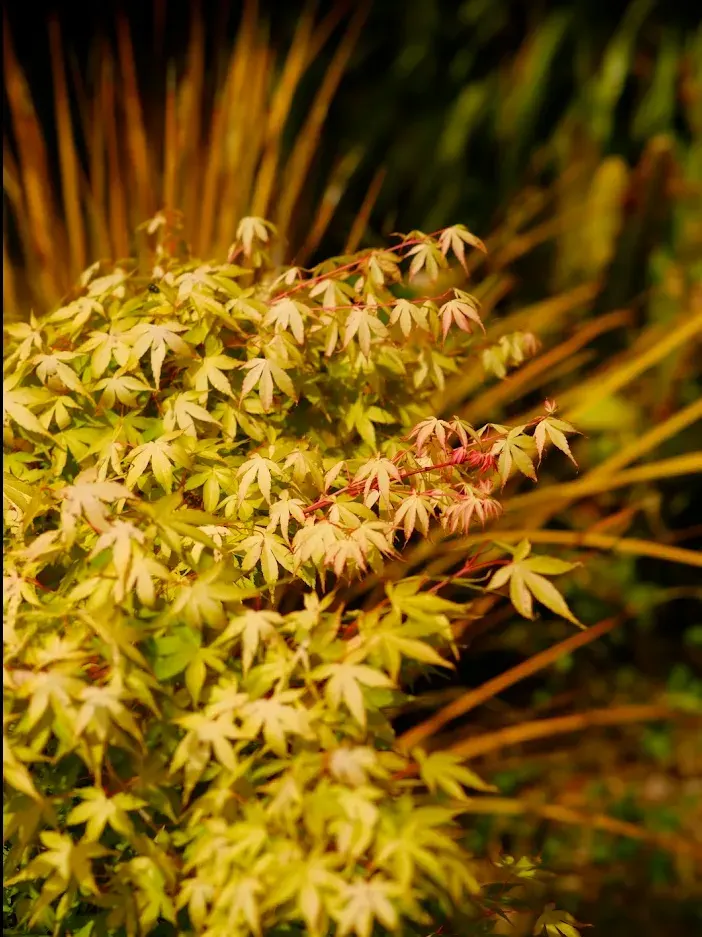
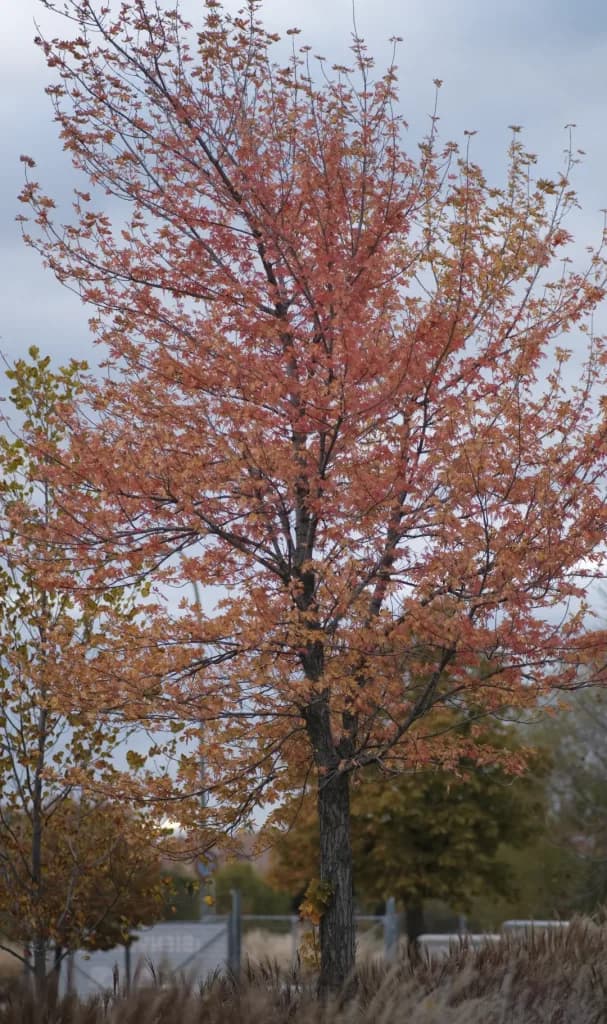
The red maple (Acer rubrum) is one of the most common and appreciated deciduous trees in the North American landscape due to its spectacular autumn color change. Its leaves, generally with three to five lobes, acquire shades ranging from vibrant yellow to an intense crimson red, making it a key ornamental element in parks and avenues. It has an elegant habit that tends to become rounded and dense as the specimen matures.
It belongs to the Sapindaceae family and is native to eastern and central North America. It stands out for its great ecological plasticity, being able to adapt to a wide variety of habitats, from swampy areas to dry wooded slopes, although it shows its best development in moist, slightly acidic soils. It is a relatively fast-growing tree compared to other maples, which makes it very popular in urban landscaping and reforestation projects.
In addition to its undeniable aesthetic value, the red maple has economic and ecological importance. Although its sap has a lower sugar content than sugar maple, it is also occasionally used for syrup production. Its wood, known as "soft maple," is used in the manufacture of furniture and interior carpentry. In natural ecosystems, its early red flowers are one of the first sources of nectar for bees after winter.
Moderate, 1-2 times per week in summer, reduce in winter.
Full sun or partial shade to enhance fall colors.
Cold hardy, tolerates ranges from -30°C to 30°C.
Deep, well-drained, preferably with slightly acidic pH.
Organic compost type in spring, once a year.
Have this plant? Analyze it free with Florami
Free AI analysis