Rosa sp.
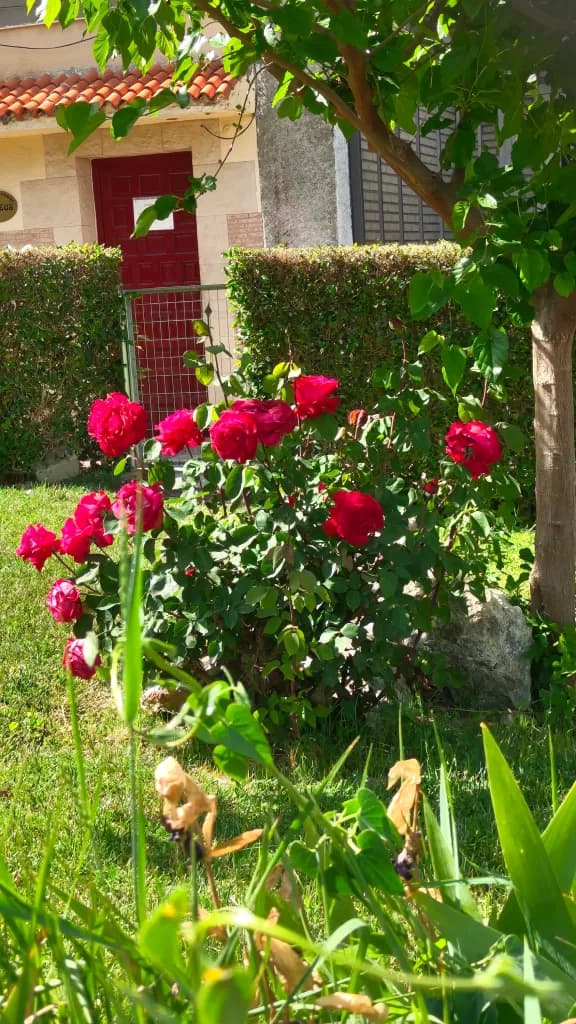
The rose bush is one of the most appreciated ornamental shrubs worldwide for the beauty and fragrance of its flowers. Characterized by its thorny stems and compound leaves with serrated edges, this genus includes thousands of varieties and cultivars with an astonishing diversity of colors, from pure white to the intense red visible in the image. It is a plant that symbolizes elegance and has been cultivated for centuries in gardens around the globe.
It belongs to the Rosaceae family and is primarily native to the temperate regions of the Northern Hemisphere. Botanically, its original flowers are pentamerous, although garden hybrids often have multiple layers of superimposed petals through genetic selection. They prefer deep, nutrient-rich soils and climates with distinct seasons for their proper development, requiring a winter dormancy period to regain energy.
Its cultivation is fundamental in the perfume and floristry industries, being a universal cultural symbol of love and passion. It requires strategic annual pruning to maintain its shrubby habit and direct sun exposure for abundant flowering. In addition to its decorative use, some species produce rose hips, which are fleshy fruits very rich in vitamin C used in infusions and jams.
2-3 times a week in summer; avoid wetting leaves to prevent fungi.
Full direct sun, minimum 6 to 8 hours daily for optimal flowering.
Ideal range 15°C-25°C; tolerates frost if well-established.
Deep, well-drained soil, rich in organic matter and slightly acidic.
Specific rose fertilizer every 15-20 days during spring and summer.
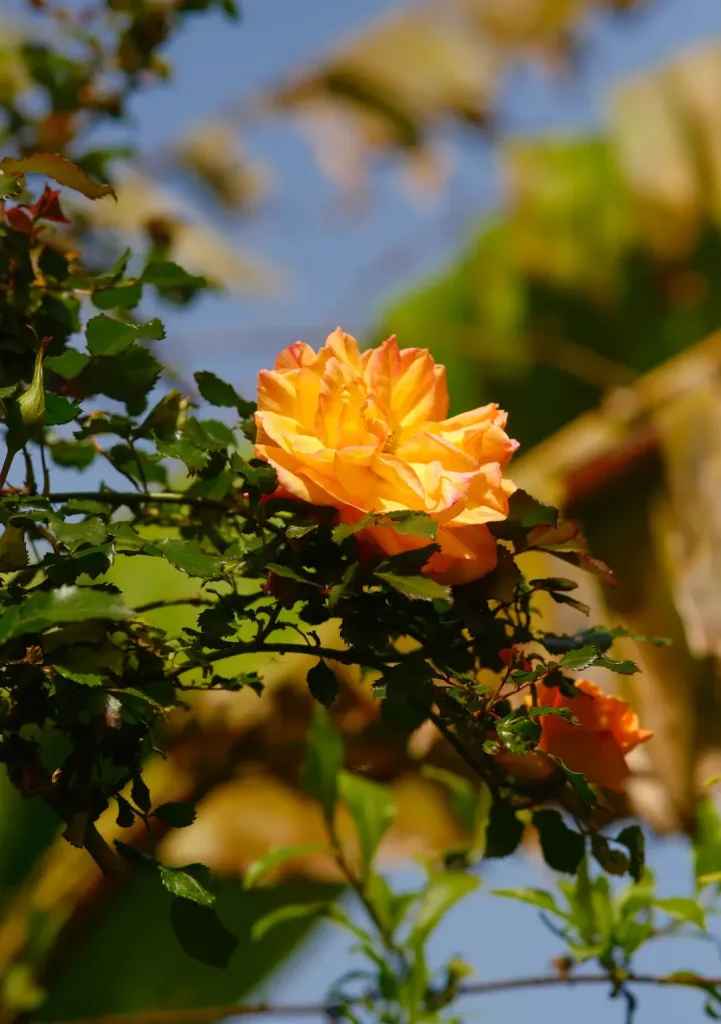
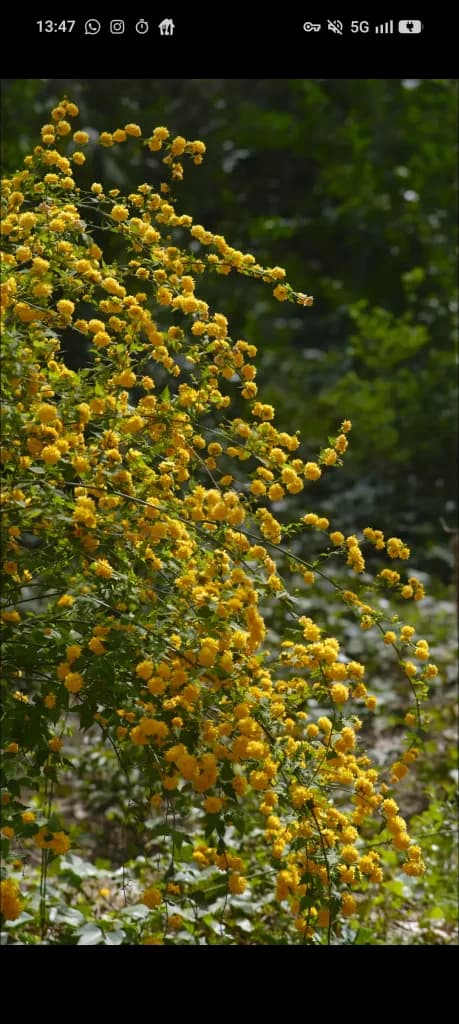
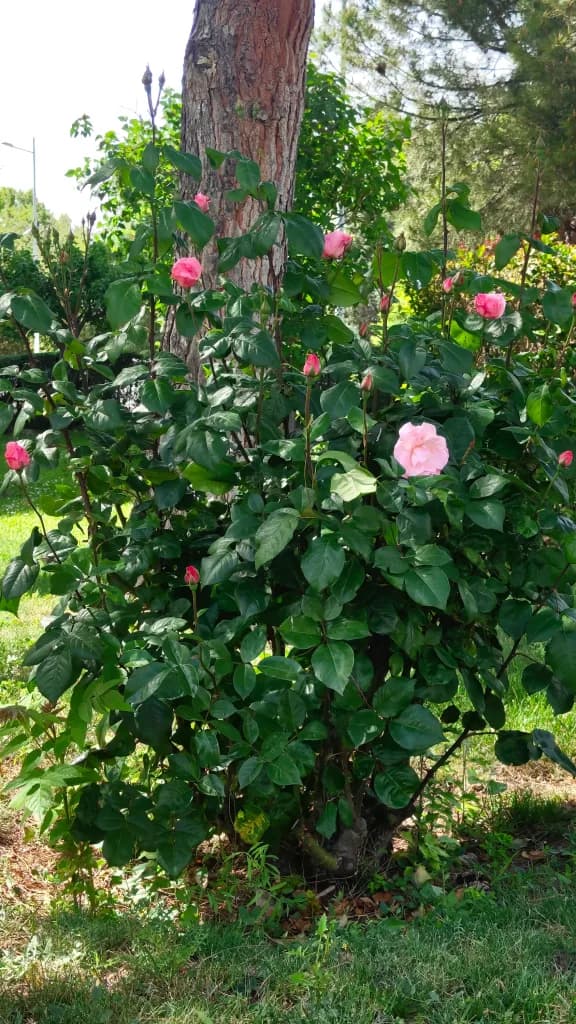
Examples shared by the community when the plant was in bloom

Have this plant? Analyze it free with Florami
Free AI analysis